Making a Difference in the Lives of Foster & Unhoused Youth
Together, we turn small acts of kindness into hope and opportunity.

Our Why
We believe all youth deserve a childhood filled with stability, normalcy, opportunity, and hope. Having worked and volunteered with children in foster care and homeless shelters for years, founder Reema Slagle sees firsthand the obstacles these youth face. As a Court Appointed Special Advocate (CASA), she advocates for the best interest of children who have experienced neglect or abuse, making recommendations to the courts regarding their placement and well-being.
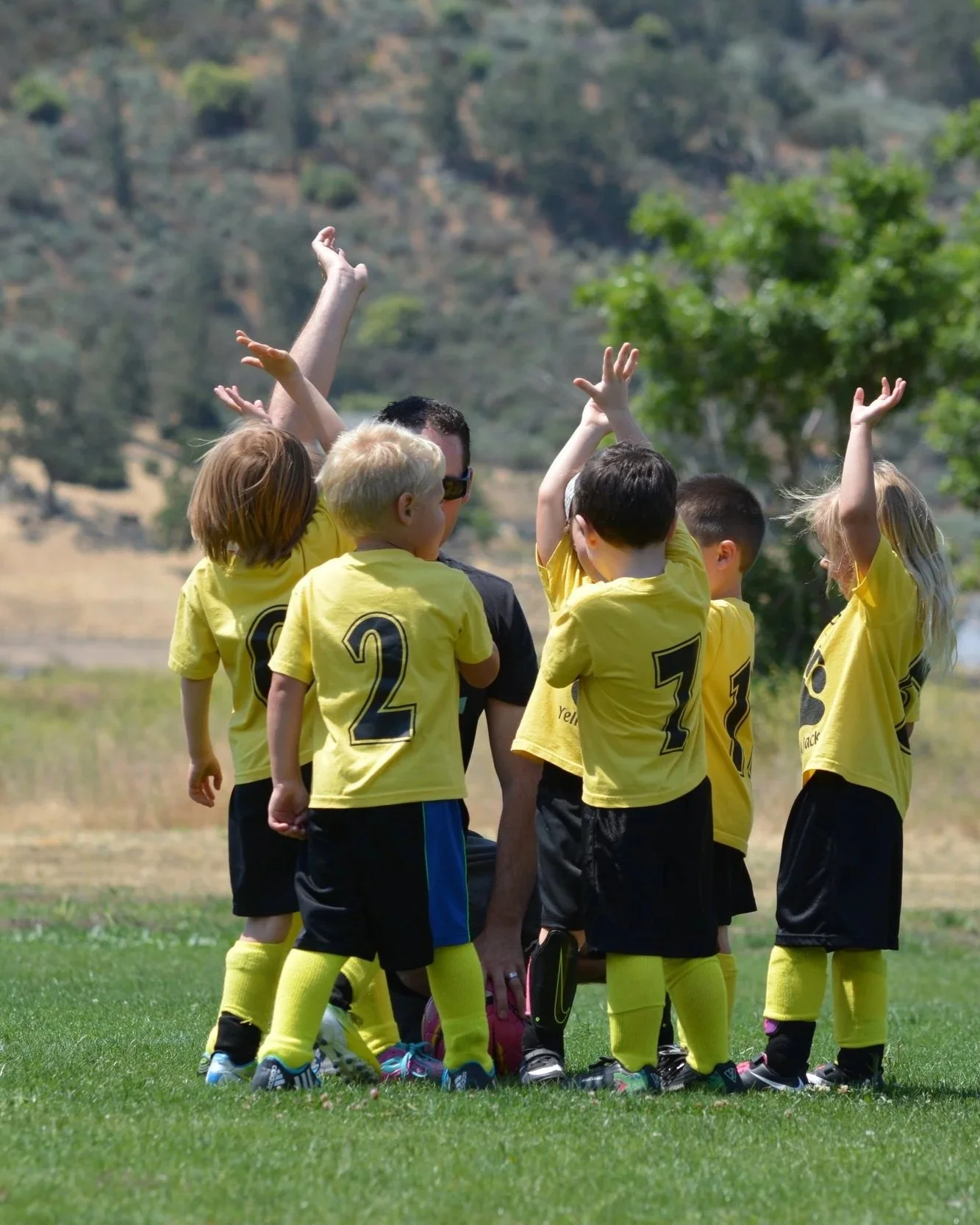
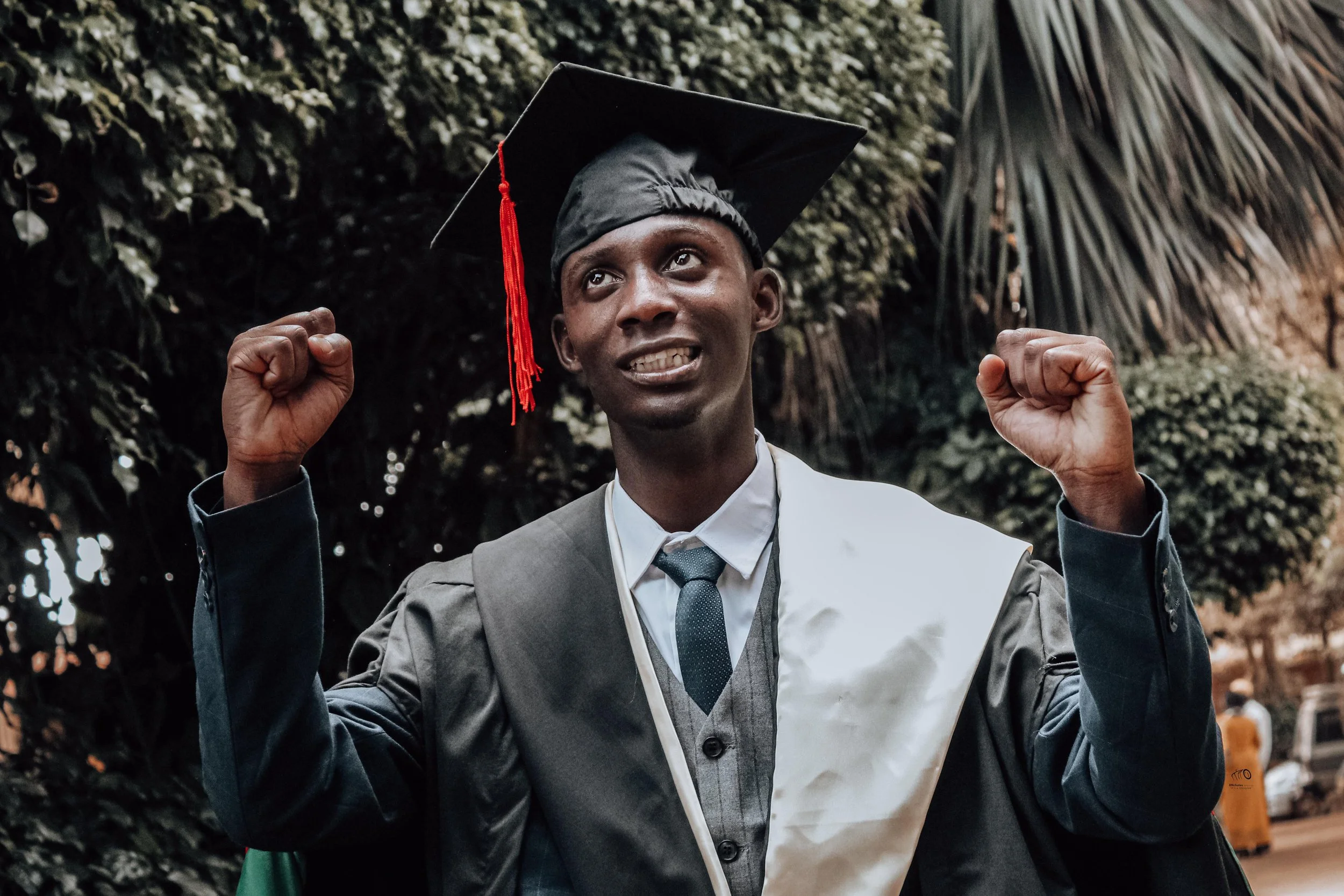
After these youth have experienced some of the worst traumas of their lives and are living in instability, being able to participate in extracurricular activities gives them an outlet, grants them space to be passionate and proud, and builds their self-esteem. Studies also show that youth involved in extracurricular activities perform better in school. And if foster and unhoused youth are doing well in school, they have a better chance of completing their education. Unfortunately, having the same opportunities as their permanently housed peers is not always an option due to the financial barriers these children encounter. Whether it is a child unable to play soccer because funds are depleted, a teenager who cannot afford driver’s education, or a former foster youth struggling to cover college dorm costs, these gaps in support are significant. What happens to the foster youth that never obtained their drivers license? Will the odds be stacked against them when they join the workforce with no transportation? Will the gap continue to grow for them compared to their peers? What about the college aged youth trying to empower their life by attending higher education? What will the outcome be for that individual? Sometimes, no matter how hard they try to get ahead or even on the same track as their peers, the hurdles just keep growing due to setbacks from their childhoods. We believe everyone deserves the chance to participate in extracurricular activities and higher education to better their lives.
Recognizing these unique circumstances is critical to achieving equity. Our mission is to connect with caring individuals to provide the resources and opportunities these youth need to build a brighter future.
MAKE A DIFFERENCE IN A CHILD’S LIFE